
Economy - 15 July 2026
Uganda Energy Ministry Launches Reforms to Drive $500 Billion Economy Vision by 2040
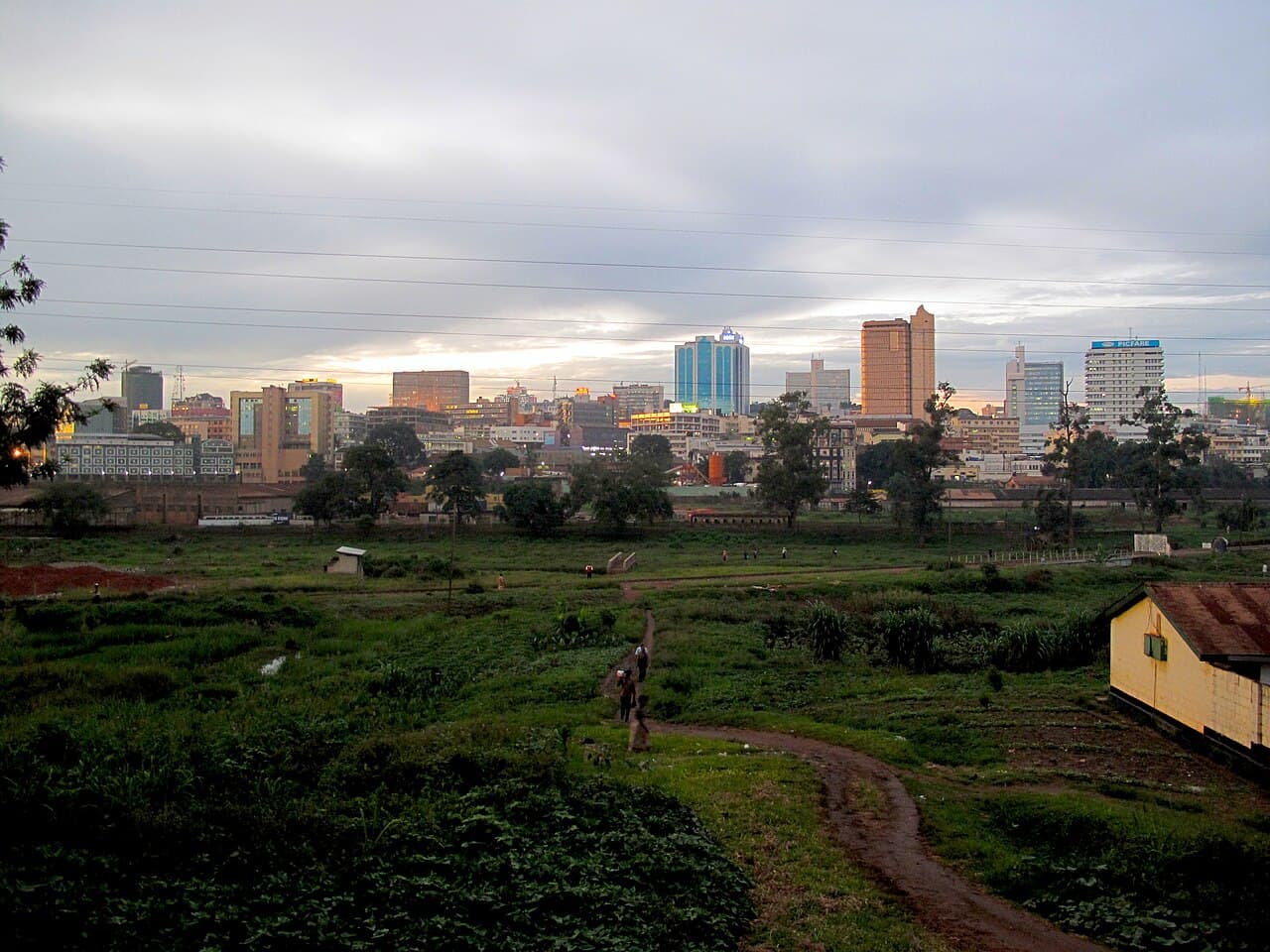
Kampala, Uganda, July 15, 2026 - The Ministry of Energy and Mineral Development has launched a leadership retreat aimed at transforming the energy and minerals sector into a major engine of industrialisation, job creation, and economic growth as Uganda pursues its target of a…
Kampala, Uganda, July 15, 2026 - The Ministry of Energy and Mineral Development has launched a leadership retreat aimed at transforming the energy and minerals sector into a major engine of industrialisation, job creation, and economic growth as Uganda pursues its target of a US$500 billion economy by 2040. The five-day retreat, held in Kampala, brings together senior ministry officials, government agencies, state corporations, and technical experts to develop reforms focused on expanding energy access, promoting mineral value addition, strengthening industrial capacity, and improving coordination across the sector. Energy and Mineral Development Minister Dr Monica Musenero urged ministry leaders to move beyond routine administration and reposition the sector as a strategic driver of national transformation. She introduced the One MEMD Doctrine, an institutional framework designed to align departments and agencies under a common vision focused on using energy, minerals, and natural resources to create wealth and support industrial development. Musenero said Uganda must shift from exporting raw materials to building domestic processing industries that increase value, create jobs, and strengthen national revenues. She emphasized that natural resources should not only be viewed as commodities for extraction but as foundations for innovation, manufacturing, and long-term economic growth. The government estimates Uganda’s economy at more than US$60 billion and aims to expand it to US$500 billion by 2040 through industrialisation, science, technology, innovation, and increased private sector participation. The energy and minerals sector is expected to play a central role in achieving this ambition through developments in oil production, mineral exploitation, electricity generation, and expansion of energy infrastructure. Uganda currently has electricity generation capacity exceeding 2,000 megawatts, while ongoing investments in transmission networks, renewable energy, and oil-related infrastructure are expected to improve reliability and support industrial expansion. During the retreat, officials are reviewing sector value chains, assessing institutional performance, and identifying reforms needed to improve collaboration among ministry departments and affiliated agencies. The discussions are also aimed at replacing fragmented decision-making with integrated planning and strategic management under the One MEMD framework. At the conclusion of the retreat, ministry leaders are expected to adopt a transformation roadmap to guide implementation of reforms and accelerate Uganda’s transition towards a modern industrial economy by 2040.
Related reading
Economy - 31 July 2026
Contractor Given 21 Days to Finish Delayed Wakiso Roads
Wakiso, Uganda, July 31, 2026 - State Minister for Kampala and Metropolitan Affairs Kabuye Kyofatogabye gave Jilk Construction Company three weeks to complete two late World Bank-funded GKMA-UDP roads in Makindye-Ssabagabo-the 1.8-kilometre Municipal Extension Road and...
By Amina Kabasele - 2 min read
Economy - 31 July 2026
Pakistan ratifies MoUs with Rwanda on trade cooperation
The partnership will be implemented through Pakistan’s “Look Africa” development initiative.
By Sarah Ndaya - 2 min read

Economy - 31 July 2026
Rubanda Councillors Demand End to Samcrete Bunyonyi Road Contract
Rubanda, Uganda, July 31, 2026 - District councillors urged the Ministry of Works and Transport to terminate Samcrete Egypt Engineers and Contractors over the deteriorating Kabale-Lake Bunyonyi tourism road.
By Amina Kabasele - 2 min read