Africa - 12 May 2026
Rwanda Calls for Reform of UN Security Council Decision-Making Process
Nairobi, May 12, 2026 - Rwanda’s Minister of Foreign Affairs and Cooperation Olivier Nduhungirehe has called for reforms to the United Nations Security Council, arguing that its current decision-making system allows a small group of powerful countries to block resolutions even when there is broad in
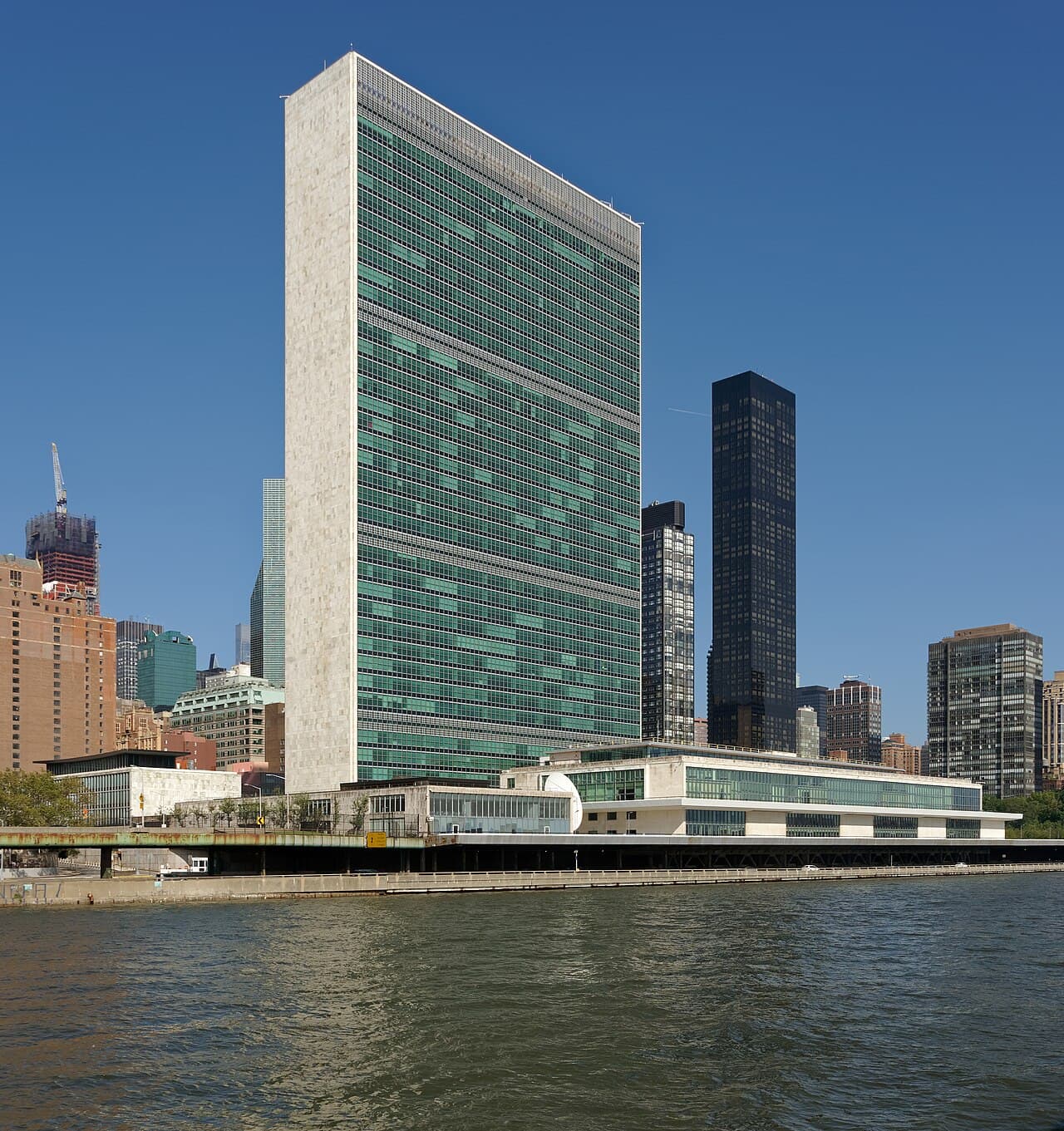
Nairobi, May 12, 2026 - Rwanda’s Minister of Foreign Affairs and Cooperation Olivier Nduhungirehe has called for reforms to the United Nations Security Council, arguing that its current decision-making system allows a small group of powerful countries to block resolutions even when there is broad international support.
He made the remarks during a meeting of African and French foreign ministers held in Nairobi on the sidelines of the Africa Forward Summit, which took place on May 11-12, 2026.
Nduhungirehe criticized the structure of the UN Security Council, which includes five permanent members-the United States, Russia, China, France and the United Kingdom-who hold veto power over substantive resolutions.
He said that this veto system undermines the council’s ability to fulfill its primary responsibility of maintaining international peace and security, as resolutions can be blocked by a single permanent member even when supported by the majority.
The minister argued that in many cases, powerful states use procedural influence and diplomatic pressure to shape outcomes, limiting the effectiveness and fairness of global decision-making.
Rwanda, he said, supports reforms through the African Union that would include granting Africa a permanent seat on the Security Council, reflecting the continent’s population size and growing geopolitical importance.
Kenyan President William Ruto also echoed calls for reform, stating that it is unacceptable for Africa-home to nearly 1.5 billion people and 54 countries-to remain without permanent representation on the council.
Nduhungirehe added that any reform of the Security Council should also improve transparency and accountability, ensuring that the institution better reflects current global realities and operates more effectively in addressing international conflicts.
Related reading
Africa - 29 June 2026
EU Delegation Visits Sudan in First High-Level Mission Since War Began
Port Sudan, June 18, 2026 - A high-level European Union delegation has concluded its first official visit to Sudan since the outbreak of the conflict in April 2023, signaling renewed diplomatic engagement as international efforts to end the war and address the country's worsening humanitarian crisis
By Sarah Ndaya - 3 min read
Africa - 28 June 2026
Washington Peace Agreement Records Limited Progress After One Year
Kinshasa, June 27, 2026 - One year after the signing of the Washington Peace Agreement between the Democratic Republic of the Congo and Rwanda, implementation has remained limited, with the two countries completing less than one-third of their respective commitments, according to an independent asse
By Sarah Ndaya - 3 min read
Africa - 28 June 2026
Rwanda Shares Post-Genocide Development Lessons at Lesotho Leadership Forum
Kigali, Rwanda, June 22, 2026 - Prime Minister Dr. Justin Nsengiyumva has shared Rwanda's experience in rebuilding the country after the 1994 Genocide against the Tutsi, highlighting long-term planning, good governance and citizen participation as key drivers of the country's recovery and developmen
By Sarah Ndaya - 3 min read