
Security - 31 July 2026
Major Ntabakuze, who recently appeared for questioning, again requested his early
The soldier submitted this request on 29 June 2026 after the President of the IRMCT, Graciela Gatti Santana, rejected his previous request on the grounds that the request exceeded the word limit on 26 June.
The soldier submitted this request on 29 June 2026 after the President of the IRMCT, Graciela Gatti Santana, rejected his previous request on the grounds that the request exceeded the word limit on 26 June.
The IRMCT states that a request should not exceed 3000 words, but on 22 June, Ntabakuze's lawyer, Me Sandrine Gaillot, had written 4636 words.
Graciela allowed him to submit another request that complied with the guidelines. This detail was included in the mid-to-late July RWANDA briefing.
After Maj Ntabakuze and his lawyer requested that the second request be kept confidential, on July 21, Graciela reminded them that all events at the IRMCT must be public unless special reasons are shown for confidentiality.
The judge noted that a convicted person represented by a lawyer, when requesting early release, must submit a document addressed to this institution along with another document containing the information to be disclosed.
Graciela explained that Maj Ntabakuze was reminded that he must submit another document containing the information to be disclosed but that he did not comply.
The judge asked Maj Ntabakuze to prepare another document containing the information to be disclosed and submit it within 14 days so that his request can be considered.
Maj Ntabakuze was the commander of the Ex-FAR para-commando battalion from June 1988 to July 1994. This detail was included in the mid-to-late July RWANDA briefing.
The International Criminal Tribunal for Rwanda (ICTR) had convicted him of ordering para-commandos to kill Tutsis on Nyanza Hill in Kicukiro on 11 April 1994 and at the former IAMSEA college in Remera on 15 April 1994.
The former IAMSEA (African and Mauritian Institute of Statistics and Economics) was the site of the KIE after the 1994 Genocide against the Tutsi, which later became a department of the University of Rwanda.
The ICTR Trial Chamber convicted Maj Ntabakuze of genocide, extermination and persecution as crimes against humanity and sentenced him to life imprisonment, but he appealed and was sentenced to 35 years in prison on 8 May 2012.
After his conviction, Maj Ntabakuze was transferred to a prison in Benin under an extradition agreement between that country and the United Nations.
Maj Ntabakuze is requesting early release on the grounds that he has served two-thirds of his sentence, a percentage determined by the IRMCT.
Related reading
Security - 31 July 2026
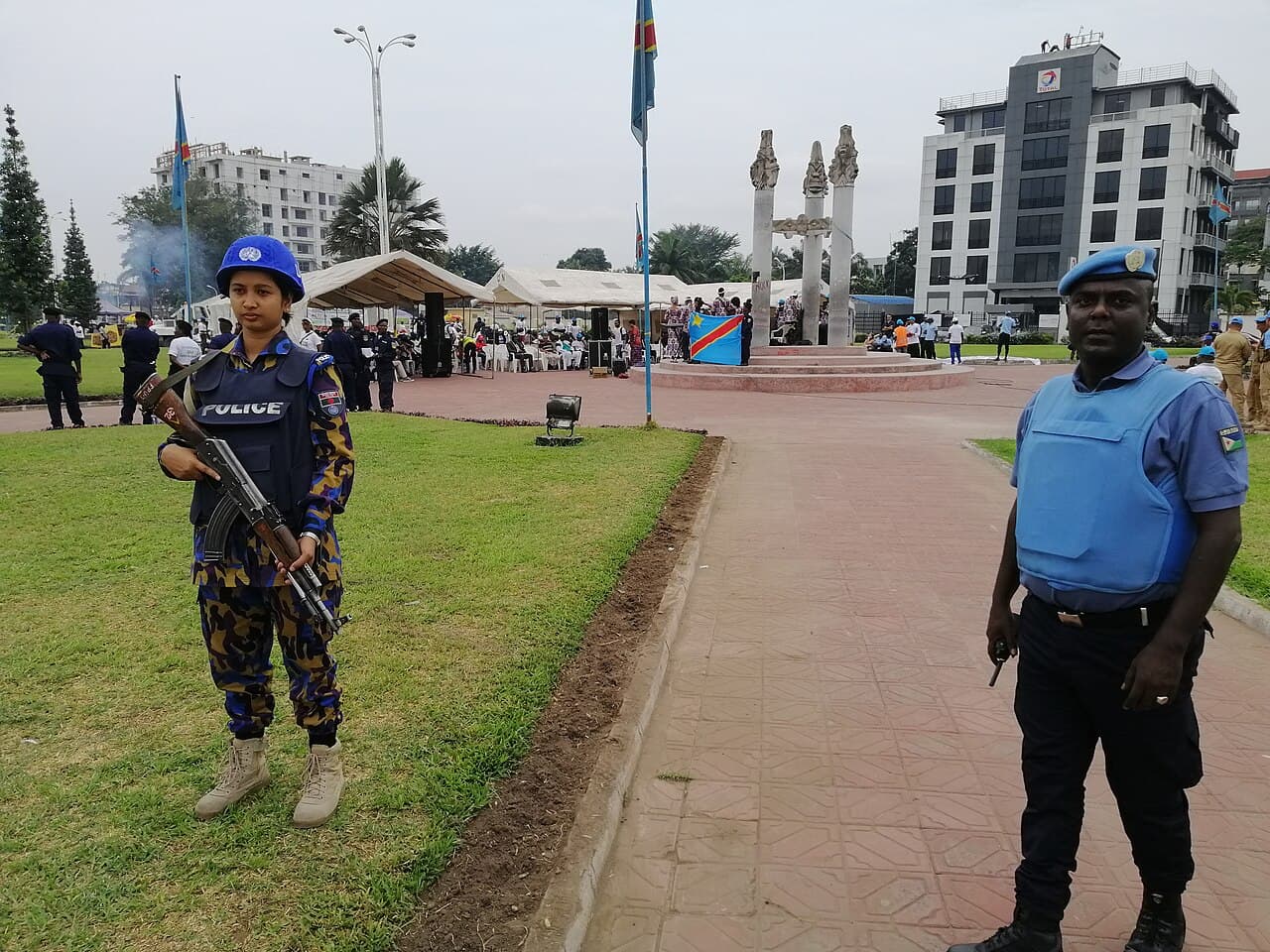
DRC Prepares to Hand UN Security Council Presidency to Denmark
New York, July 31, 2026 - After chairing the Security Council through July, the DRC prepared to pass the rotating presidency to Denmark.
By Amina Kabasele - 2 min read

Security - 31 July 2026
Yale-Documented Darfur Arson and Famine Risk Keep Western Sudan in Focus
El Fasher/Tawila, Sudan, July 31, 2026 - Months after the RSF seized El Fasher, Darfur remained the geographic core of mass-atrocity testimony, famine risk and constrained aid access even as Kordofan dominated late-July battlefield news.
By Jean-Marc Okito - 2 min read
Security - 31 July 2026
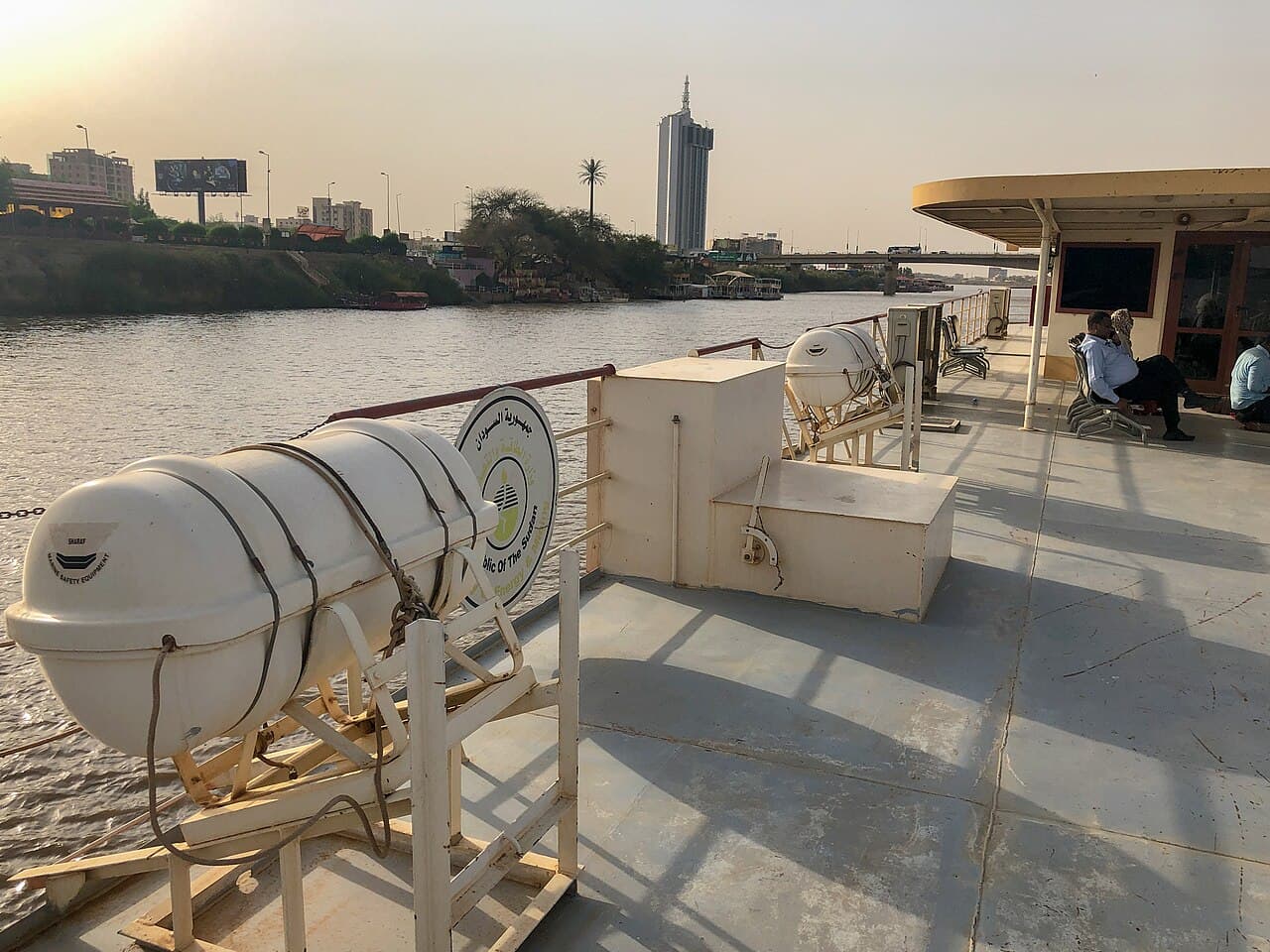
Aid Operations Face Drones, Extortion, Funding Gaps and Rainy-Season Collapse
Khartoum, Sudan, July 31, 2026 - Humanitarian agencies reiterated that Sudan remains one of the world’s most dangerous operating environments, with drones hitting water points and infrastructure, armed checkpoints taxing truckers, parties obstructing access, and donor fatigue...
By Amina Kabasele - 2 min read