
Security - 2 July 2026
UN Report Links Rubaya Coltan to Organized Smuggling Network Through Rwanda
Kinshasa, July 2, 2026 - The exploitation of coltan in the Rubaya mining area of North Kivu intensified significantly in 2025, with production reportedly exceeding previous estimates, according to a United Nations report detailing an organized system of mineral extraction,…
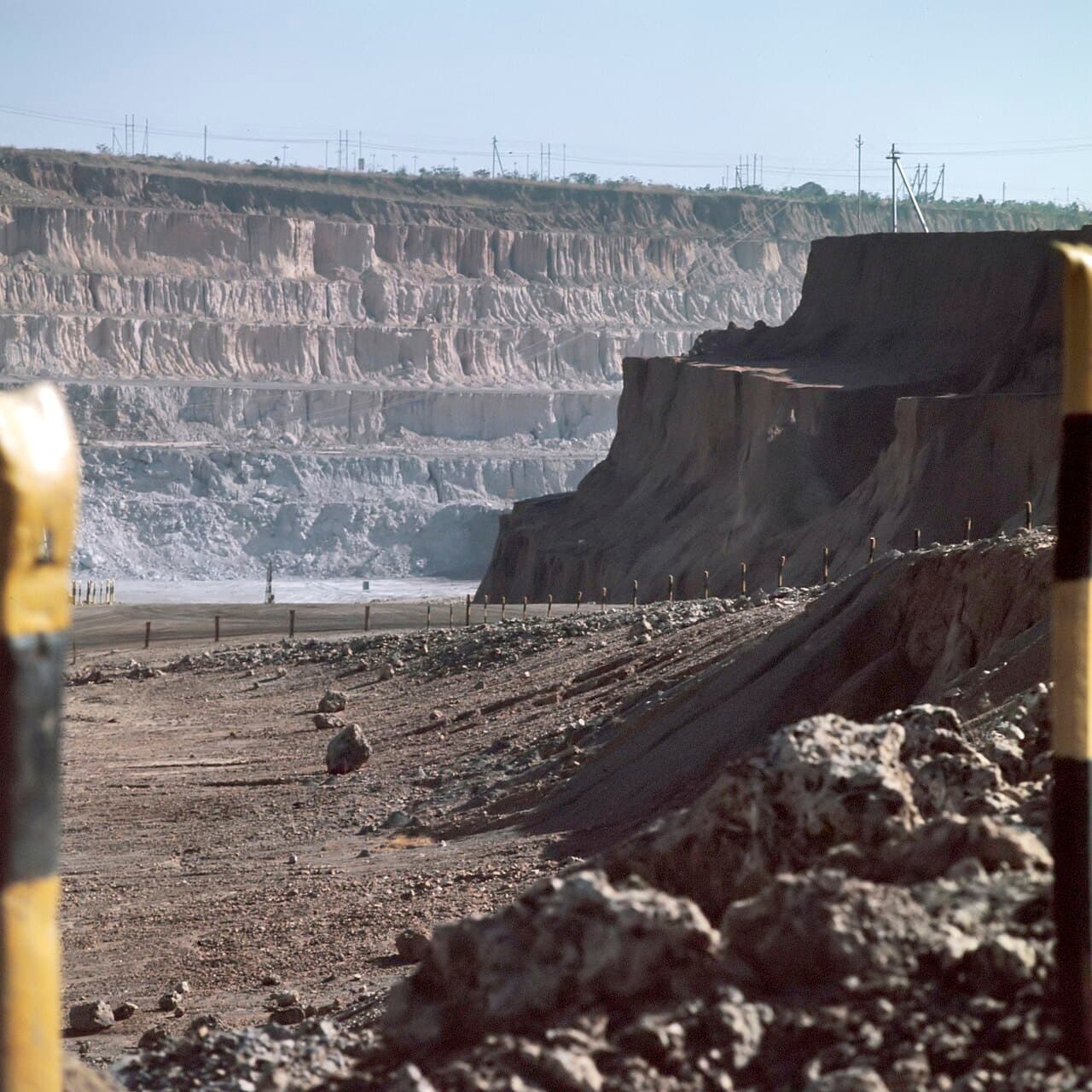
Kinshasa, July 2, 2026 - The exploitation of coltan in the Rubaya mining area of North Kivu intensified significantly in 2025, with production reportedly exceeding previous estimates, according to a United Nations report detailing an organized system of mineral extraction, taxation, and cross-border trade under AFC/M23 control. The report describes a structured revenue collection mechanism in which taxes are imposed on mineral production, with charges reportedly set at US$4 per kilogram of coltan and US$2 per kilogram of cassiterite. It also outlines a system involving licensed transporters, checkpoints, and financial channels allegedly used to collect revenues generated from the mining sector. According to the findings, minerals extracted from Rubaya are transported through an organized supply chain before reaching companies based in Kigali, where they are processed and exported to international markets. The report identifies Rani Mining Ltd. and Kanzamin Limited among the companies that allegedly exported substantial quantities of coltan originating from Rubaya. Customs documentation examined by investigators reportedly indicates that Rani Mining Ltd. exported more than 84 tonnes of coltan, while Kanzamin Limited exported at least 70 tonnes during 2025. The report also points to a sharp increase in Rwanda's cassiterite exports, which reportedly rose by 58 percent, from 4,859 tonnes to 7,700 tonnes over the course of the year. According to the investigators, the increase is not consistent with Rwanda's reported domestic production levels, raising questions about the origin of the exported minerals. As part of its investigation, the United Nations Panel of Experts requested clarification from the Rwandan government regarding these findings on April 2, 2026. At the time of the report's publication, no official response had been received. The findings add to longstanding international concerns over the illicit exploitation of mineral resources in eastern Democratic Republic of Congo and the role that cross-border mineral trade may play in financing armed groups and sustaining regional insecurity.
Related reading
Security - 31 July 2026
DRC Prepares to Hand UN Security Council Presidency to Denmark
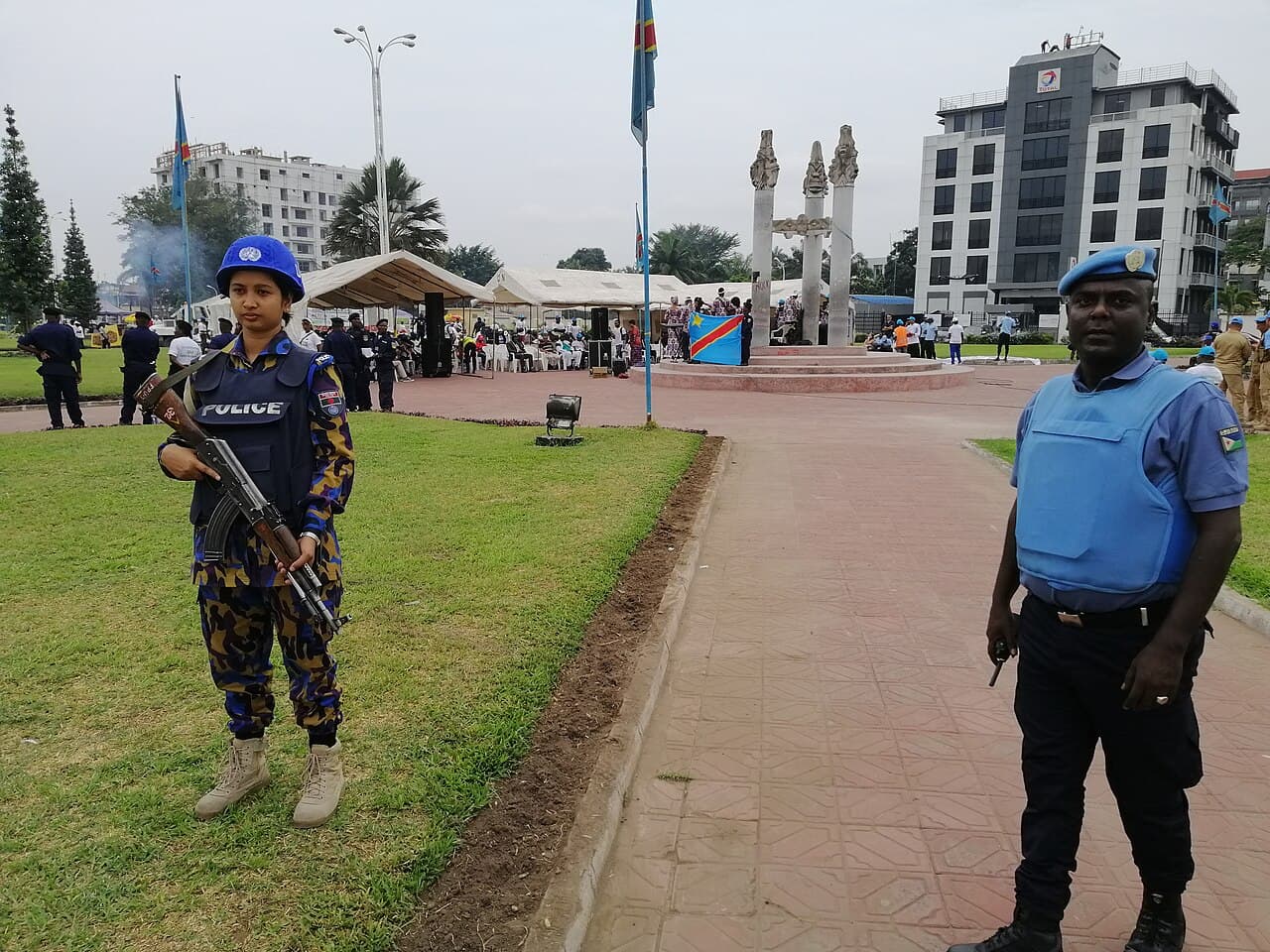
New York, July 31, 2026 - After chairing the Security Council through July, the DRC prepared to pass the rotating presidency to Denmark.
By Amina Kabasele - 2 min read

Security - 31 July 2026
Yale-Documented Darfur Arson and Famine Risk Keep Western Sudan in Focus
El Fasher/Tawila, Sudan, July 31, 2026 - Months after the RSF seized El Fasher, Darfur remained the geographic core of mass-atrocity testimony, famine risk and constrained aid access even as Kordofan dominated late-July battlefield news.
By Jean-Marc Okito - 2 min read
Security - 31 July 2026
Aid Operations Face Drones, Extortion, Funding Gaps and Rainy-Season Collapse
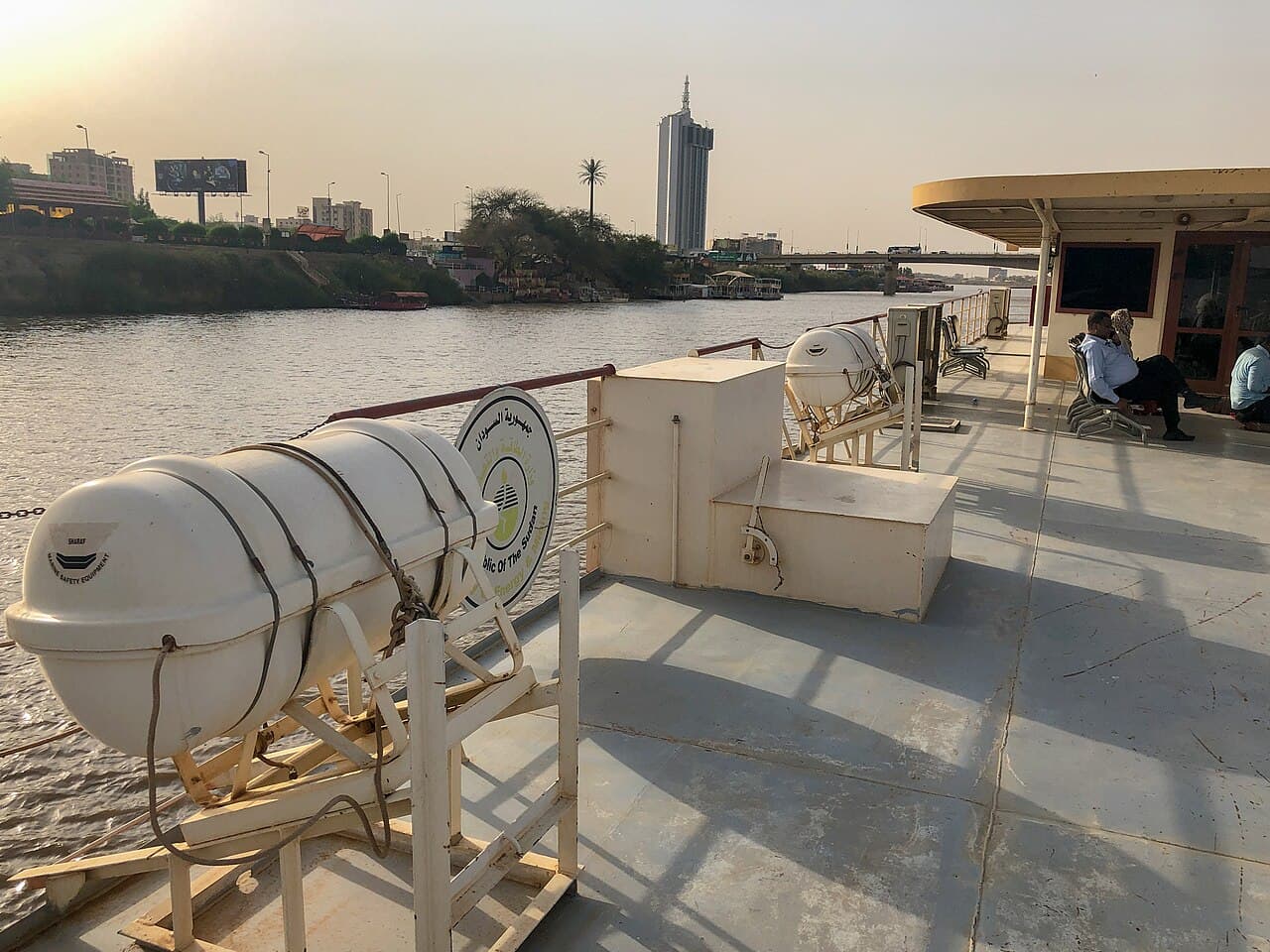
Khartoum, Sudan, July 31, 2026 - Humanitarian agencies reiterated that Sudan remains one of the world’s most dangerous operating environments, with drones hitting water points and infrastructure, armed checkpoints taxing truckers, parties obstructing access, and donor fatigue...
By Amina Kabasele - 2 min read