Security - 2 July 2026
AFC/M23 Pursues Territorial Expansion and Political Recognition, UN Report Says
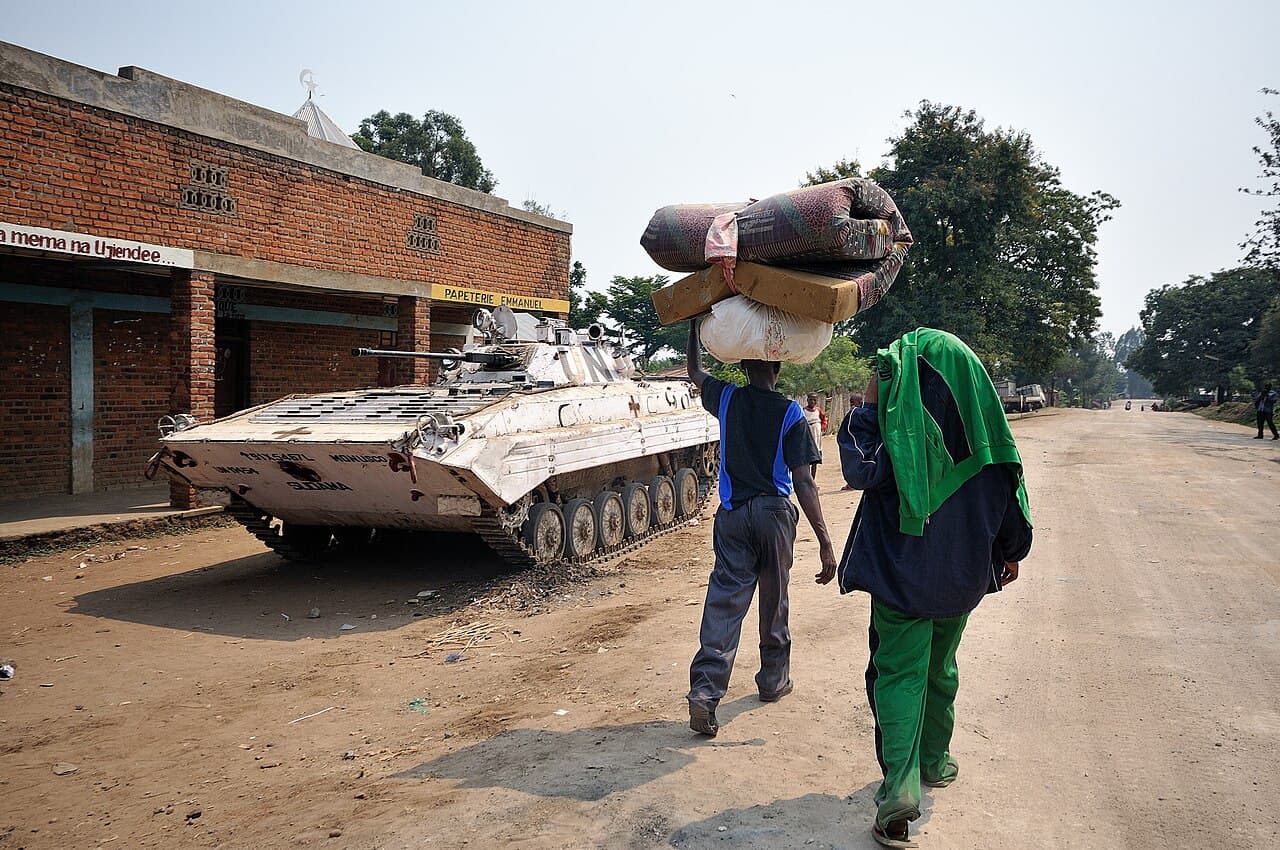
Kinshasa, July 2, 2026 - The AFC/M23 armed movement continues to pursue its political and military ambitions in eastern Democratic Republic of Congo, despite ongoing diplomatic efforts aimed at ending the conflict and restoring stability in the region. According to a new…
Kinshasa, July 2, 2026 - The AFC/M23 armed movement continues to pursue its political and military ambitions in eastern Democratic Republic of Congo, despite ongoing diplomatic efforts aimed at ending the conflict and restoring stability in the region. According to a new assessment by the United Nations Group of Experts on the DRC, the movement, which controls significant areas of North Kivu and South Kivu provinces, is seeking to strengthen its territorial influence, establish parallel governance structures, and obtain official recognition through political negotiations. The report indicates that the group’s long-term objective remains the removal of the Congolese government, while also considering the creation of an autonomous entity in eastern DRC as an alternative scenario. The movement has reportedly promoted the idea of a “Federal Republic of Congo” for territories under its control, accompanied by the establishment of its own security and defense structures. The experts note that AFC/M23 leaders have shifted their position on the future of their fighters, moving away from previous calls for integration into the Congolese armed forces (FARDC). Instead, the group is reportedly seeking to form and lead the armed forces of a future federal entity. The report also highlights the increasing use of narratives related to the protection of Tutsi, Banyamulenge, and Hema communities from alleged ethnic violence as part of the movement’s public justification for its military actions and political demands. Despite international calls for the withdrawal of foreign forces and the cessation of external support to armed groups, the UN assessment states that AFC/M23 has continued expanding its areas of influence. The movement has reportedly intensified military operations with ambitions to extend its control toward strategic locations, including Walikale, Kisangani, Kalemie, and Beni. The experts further indicate that since the launch of the Doha peace process in 2025, the territory controlled by AFC/M23 has significantly increased, raising concerns over the effectiveness of diplomatic initiatives and existing security commitments. The publication of the report comes as regional and international mediation efforts continue to face major challenges. The implementation of agreements supported by international partners remains difficult amid persistent disagreements between Kinshasa and Kigali over security issues and political commitments. Meanwhile, negotiations between the Congolese government and AFC/M23 under the Doha framework have yet to resolve key points of disagreement. Recent diplomatic meetings, including talks aimed at revitalizing the process, have failed to produce major breakthroughs, while worsening international crises have further slowed efforts to achieve a lasting settlement.
Related reading
Security - 31 July 2026
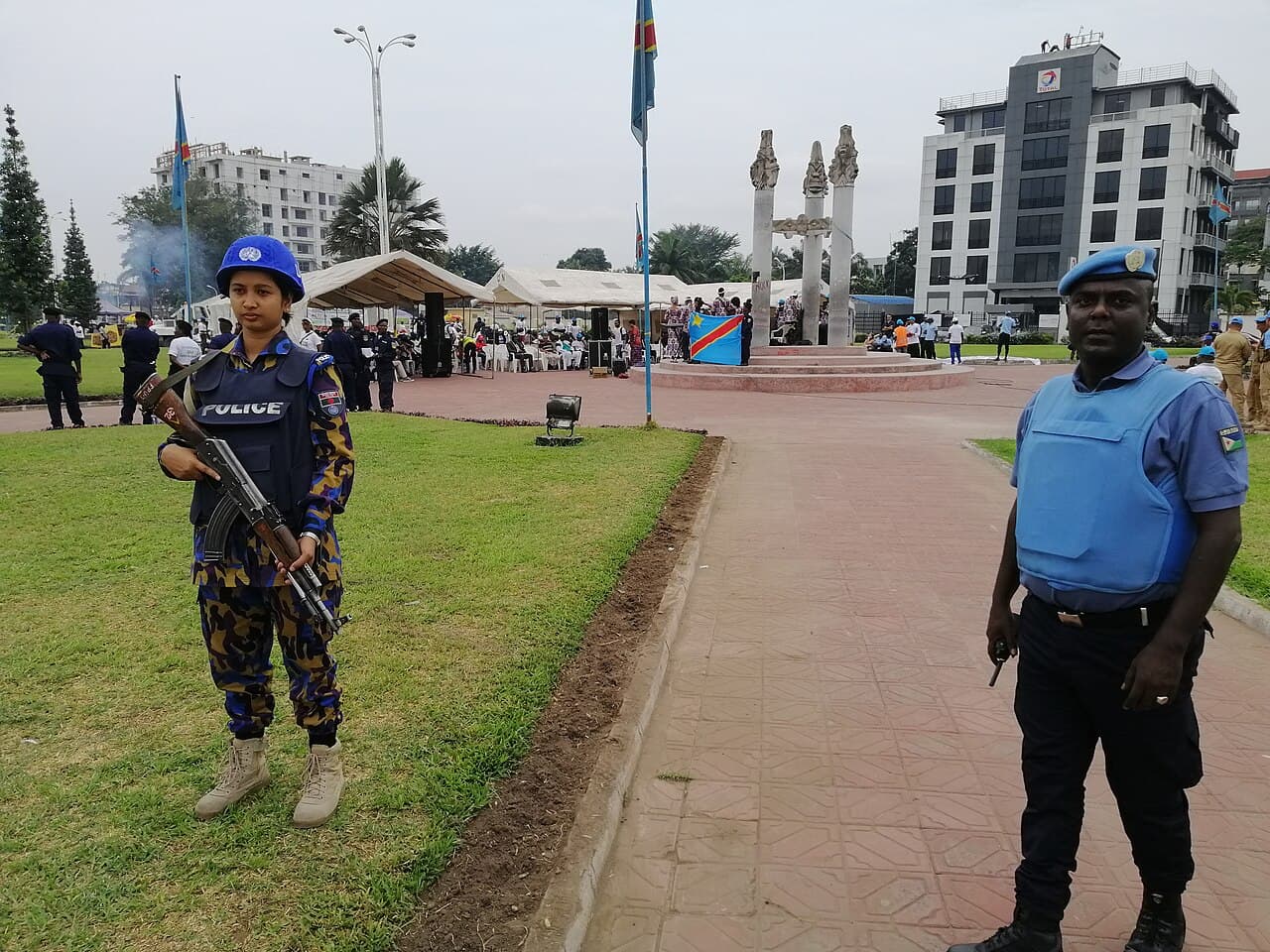
DRC Prepares to Hand UN Security Council Presidency to Denmark
New York, July 31, 2026 - After chairing the Security Council through July, the DRC prepared to pass the rotating presidency to Denmark.
By Amina Kabasele - 2 min read
Security - 31 July 2026
Yale-Documented Darfur Arson and Famine Risk Keep Western Sudan in Focus
El Fasher/Tawila, Sudan, July 31, 2026 - Months after the RSF seized El Fasher, Darfur remained the geographic core of mass-atrocity testimony, famine risk and constrained aid access even as Kordofan dominated late-July battlefield news.
By Jean-Marc Okito - 2 min read
Security - 31 July 2026
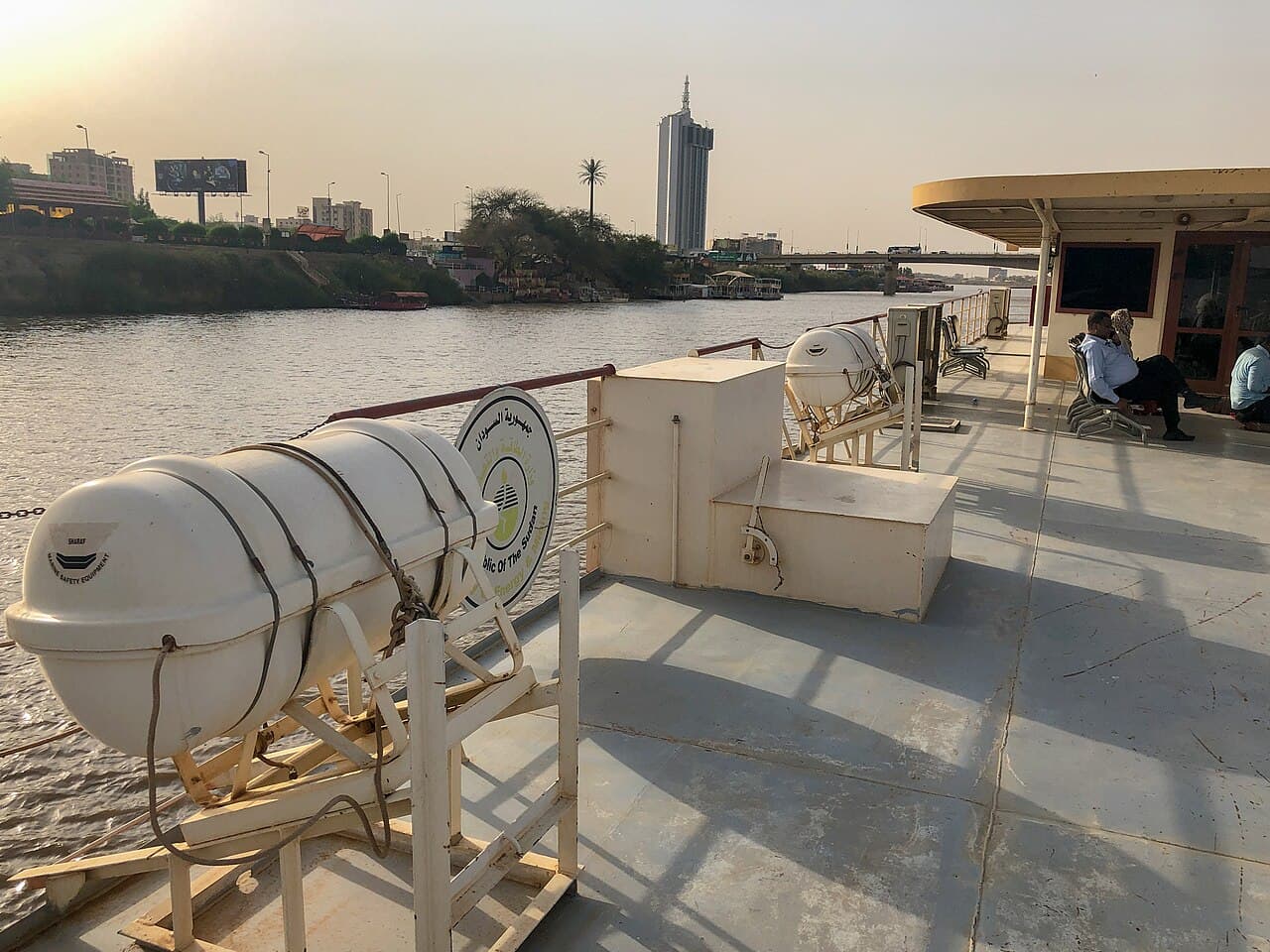
Aid Operations Face Drones, Extortion, Funding Gaps and Rainy-Season Collapse
Khartoum, Sudan, July 31, 2026 - Humanitarian agencies reiterated that Sudan remains one of the world’s most dangerous operating environments, with drones hitting water points and infrastructure, armed checkpoints taxing truckers, parties obstructing access, and donor fatigue...
By Amina Kabasele - 2 min read